
While digging through some of my collection I came across this, the Fuji DL-25. A camera that I’ve had since at least 2013 and yet has only had one roll of film put through it at a festival.
I can’t remember what I paid for it, where I got it, nothing. It’s like it just shows up now and again just to remind me it exists.
The camera does have a nice overall form factor. It’s fairly ergonomic for such a basic camera. There are little to no user controls to speak of apart from the shutter button, lens cover, rewind switch, and film door catch.
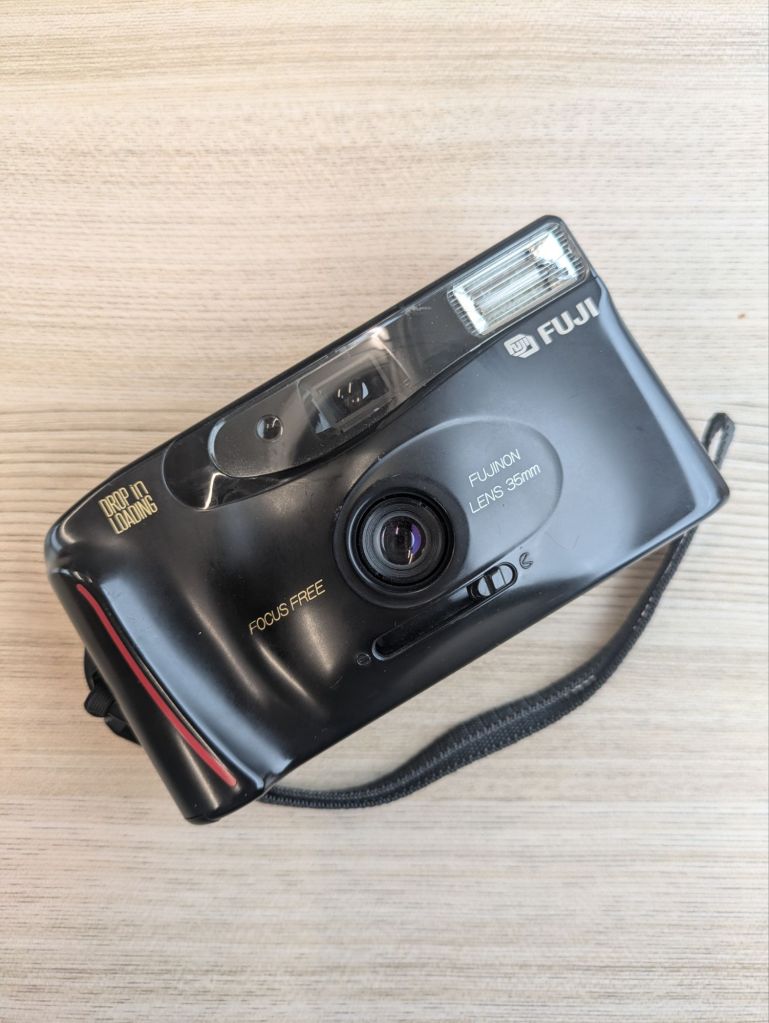
This point and shoot is pretty much as simple as they come from a consumer/user perspective. No need to worry about exposure or focus. Hell, there isn’t even a flash override on this camera!
The DL-25 was manufactured in Indonesia between 1991 and 1993 which really surprised me considering the condition of the camera. It’s held up incredibly well considering its 31-34 years old.
The main reason I kept it around is because of its “Drop in loading” system. It’s something that I’ve seen in a lot of more expensive camera systems from the late 90s onwards. But in a camera this simple seems bizarre for 1993.


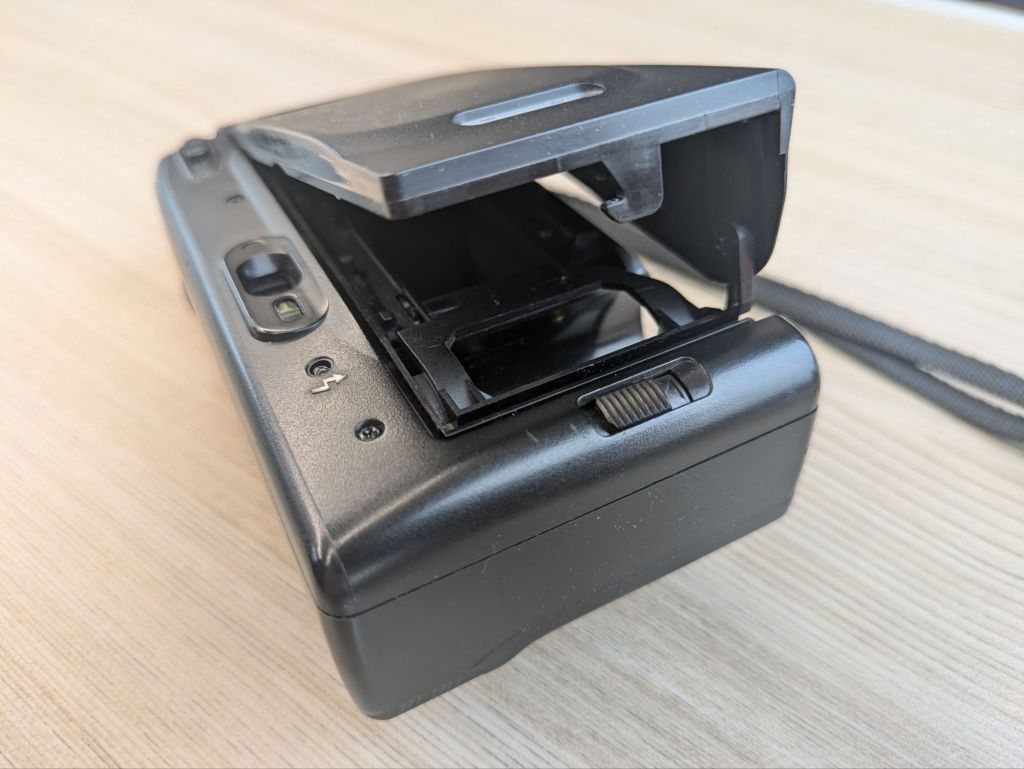

The entire DL (drop in loading) family of cameras from Fujifilm has a similar set of features.
Fixed focus point, which when combined with the small aperture works out as 1.2m to infinity should be in focus for most shots. Making it ideal for most point and shoot situations.
The exposure system seems to mainly operate on a “does this need flash” principle, as I haven’t been able to observe any other meaningful changes in aperture or shutter speed while shooting.
The Fuji does seems to have pins that match up with the DX code on the film canister, although with only 2 instead of the usual full set, it’s hard to tell from a glance what film speeds it’s able to recognise.
I loaded up some expired Fuji Experia 200iso as it felt like the most appropriate film stock I had on hand at the time.







Once you’ve fired your last frame the camera doesn’t try to wind on the next frame, but also doesn’t auto rewind like you’d probably expect. You have to flip the rewind switch on the back of the camera. Once rewound into the canister you just pop the door open and the film will easily drop out ready to be taken to the lab!

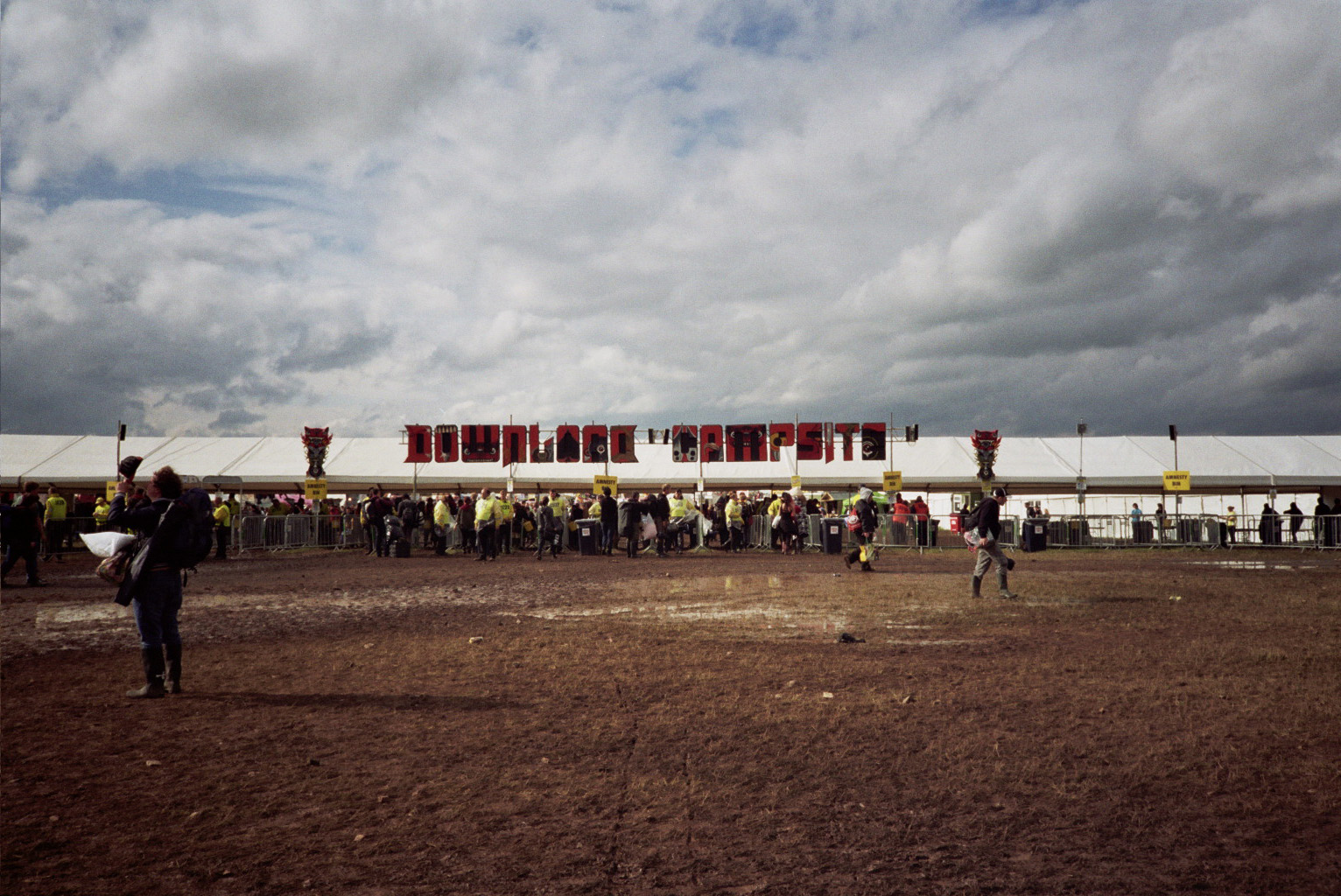
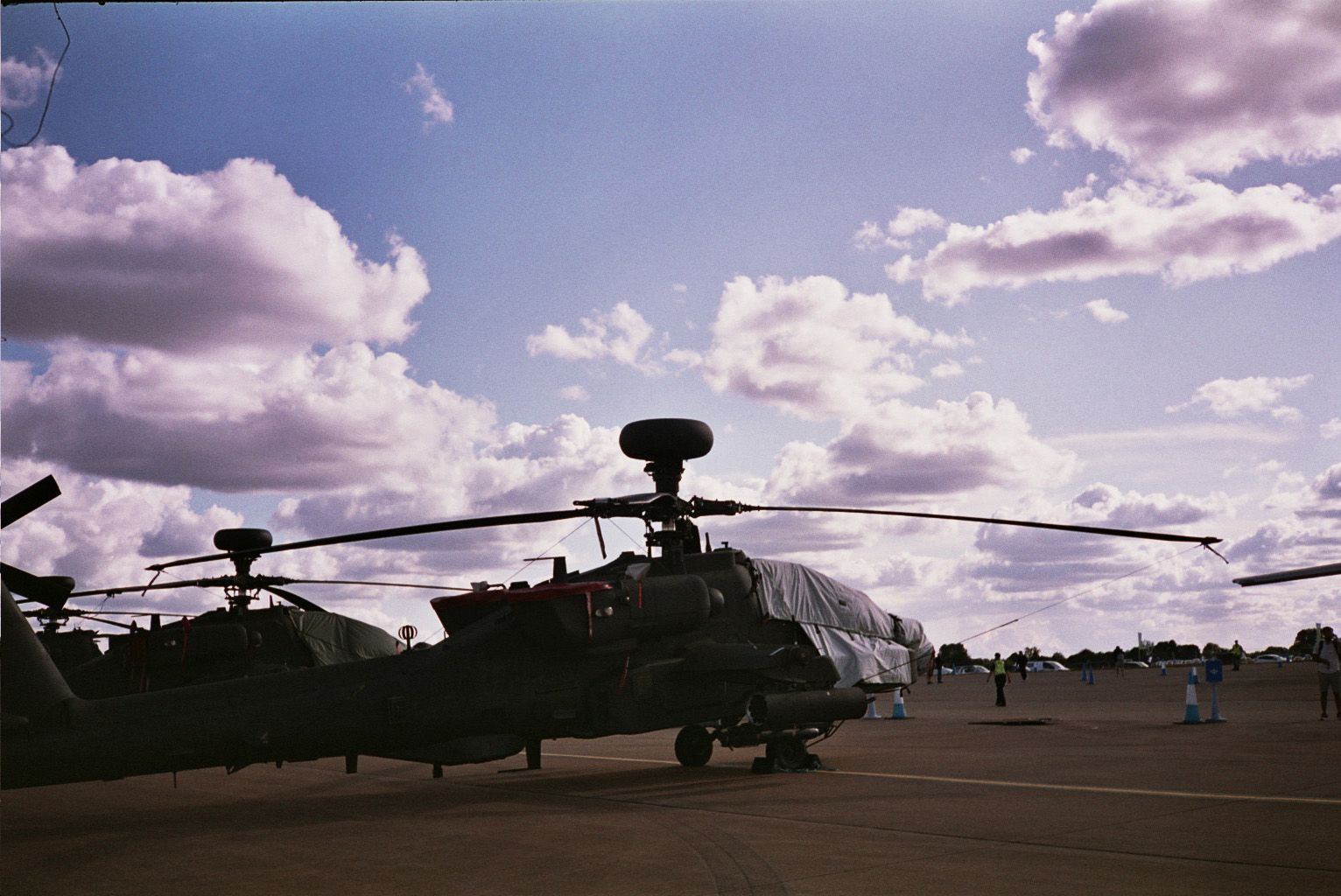
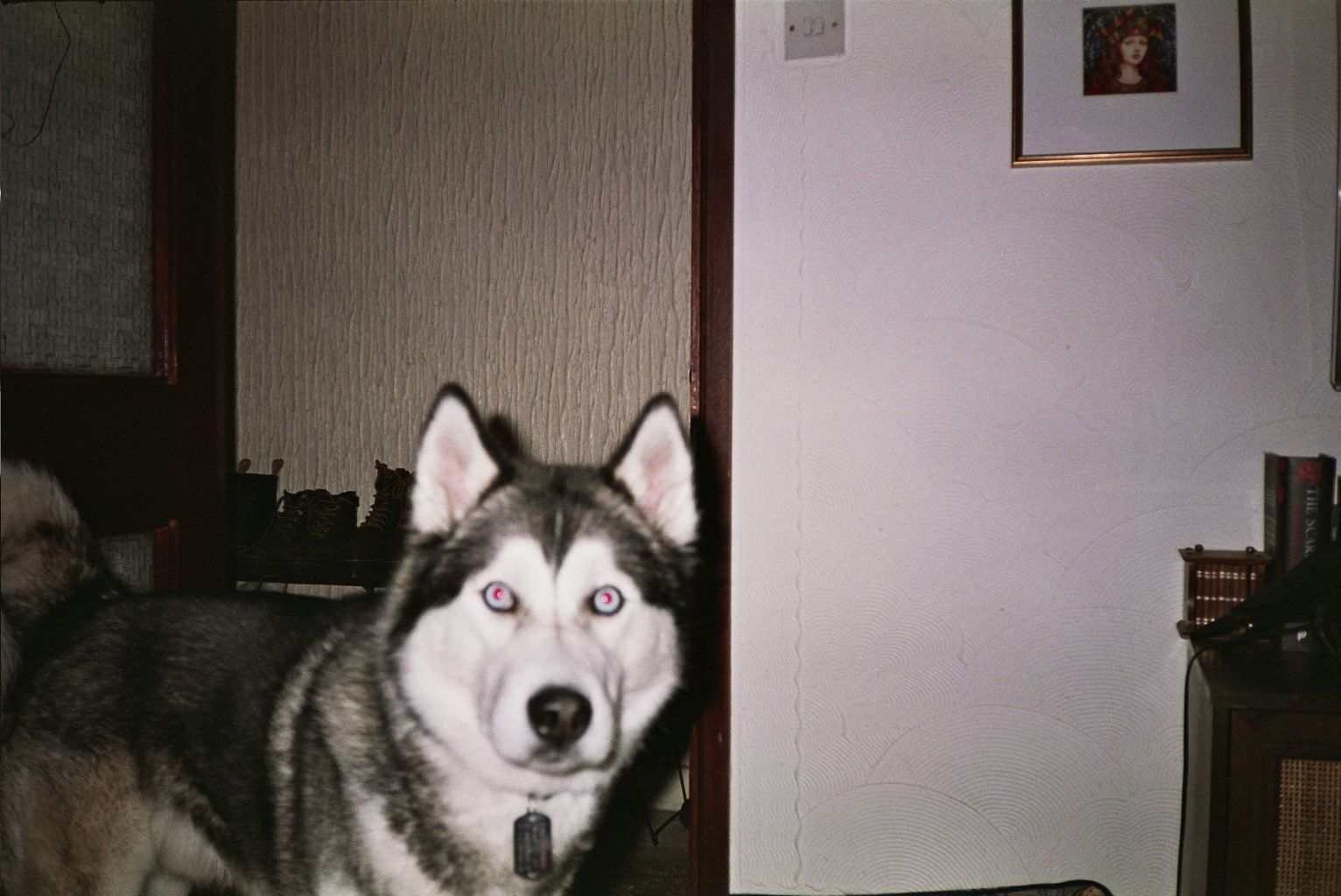
These images were from the first and previously only roll of film I put through it at Download festival in 2013. It really performed well, however I was in situations where I was too close for the “focus free” lens to capture the action and ended up relying on my Fujica 35-ee.
The camera’s form factor is a lot more comfortable than I’d first thought. The curved front casing actually does a lot to give you a firm grip on the camera, while making sure your fingers get nowhere near the lens (which can be a problem with wide-angle point & shoot camera design i.e. what happend with the lomo simple use camera) which is why I can forgive its surprisingly ungainly size for what is supposed to be a pocket camera, especially in comparison to other cameras I’ve reviewed such as the Olympus trip 300 and Olympus trip AF-61.
All things considered, this has been a great daily driver of a camera. Sure, it’s a little bigger than some of its contemporaries and isn’t loaded with features like a Nikon twzoom or have the exposure control of an Olympus xa2 but its beauty lies in its simplicity. It’s not complicated to operate and just does one job very well.
The only thing I’d change on this camera would be the lack of control on the flash. To be able to force a full in flash to shoot against a source of light, or to turn it off altogether for mixed lighting situations then this camera could really sing. I believe these features were introduced on the Fuji dl-25n.
Considering this camera is very similar to its contemporary cousins it can be hard to choose something to use as an everyday camera. This is such a worthy contender for people looking for an affordable entry level camera or for those looking into working with 35mm film for the first time, especially at the price point of these guys. They can be picked up for as little as £8.99 and the most expensive examples go for around £35, so if you’re in the market it’s not a bad way to spend your money!
 RPeterThomas Photographic